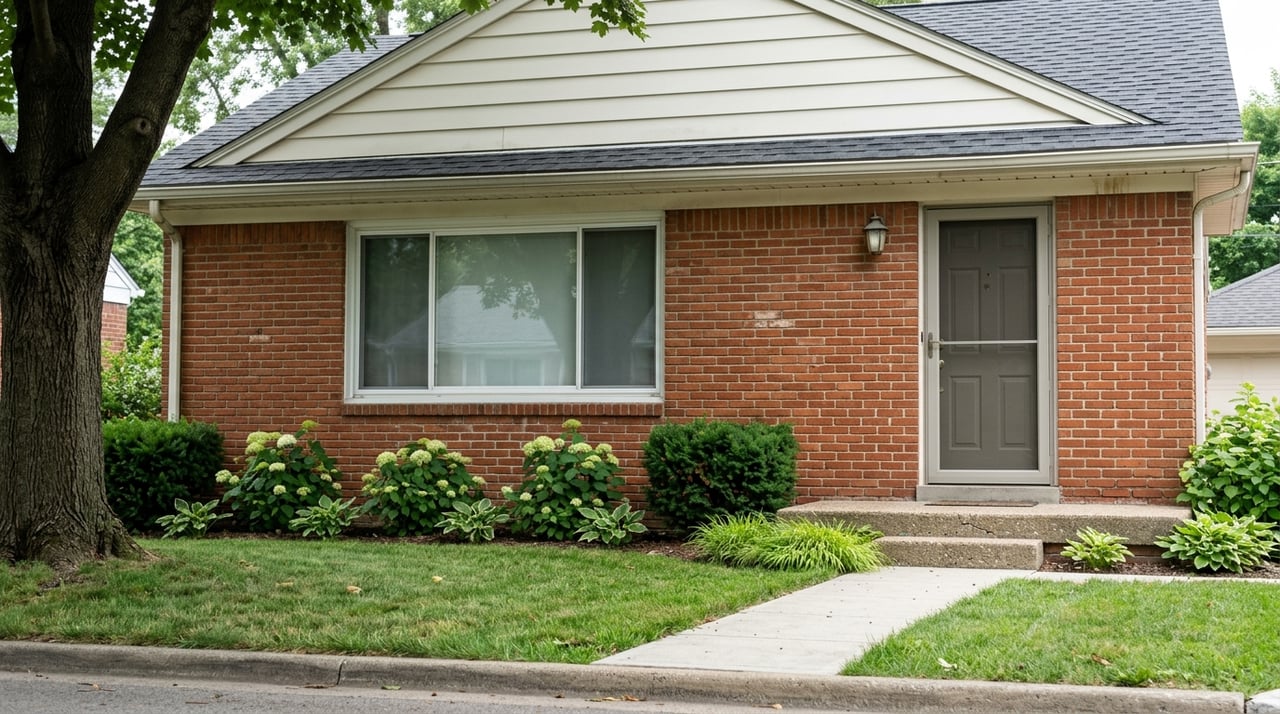
You do not have to buy the prettiest house in Des Moines to make a smart move. For many buyers, a fixer-upper can create an affordable path into the market, but only if you know how to tell the difference between a house with upside and a house with expensive surprises. If you are trying to spot real value, this guide will help you think through pricing, condition, permits, and renovation scope before you commit. Let’s dive in.
Why fixer-uppers get attention
Des Moines still offers a relatively approachable price point compared with many markets, but that does not mean every lower-priced home is a deal. As of June 2026, the city had a median listing price of $235,000 and a median sold price of $223,045, with 1,435 active listings and a median of 50 days on market. Homes were selling at about 99% of list price on average, which suggests buyers still need to evaluate opportunities carefully rather than expect steep discounts.
That matters if you are shopping for a home that needs work. In a market with steady activity, the best fixer-upper value usually comes from smart underwriting, realistic repair planning, and strong negotiation, not wishful thinking. A low list price can be attractive, but your all-in cost is what really matters.
Start with Des Moines pricing
If your goal is to find a lower entry point, some city areas may naturally rise to the top of your search. Realtor.com city snapshot data shows lower median listing prices in places such as Oak Park at $168,750, Highland Park at $178,000, Indianola Hills at $181,200, Union Park at $182,000, Greater South Side at $204,000, and River Bend at $210,000.
That does not automatically mean those areas offer the best deal for every buyer. It does mean they may be worth scanning first if you want to compare lower purchase prices with the cost of needed repairs. The key is to weigh the asking price against renovation scope, permit needs, and the home’s likely value after work is complete.
Know what creates real value
A good fixer-upper usually has one thing going for it: the problems are manageable relative to the purchase price. Cosmetic updates like paint, flooring, cabinets, fixtures, and landscaping can be easier to budget for than major structural or systems work. Value tends to show up when the home needs improvement, but not a full reset.
You should also look for a layout and location that support long-term appeal. Even when a home needs work, a functional floor plan, decent curb presence, and a realistic path to improvement can make the numbers work better. A project becomes more attractive when you can clearly picture the repairs, the timeline, and the likely resale or long-term use.
Watch the big-ticket condition issues
In Iowa, sellers of residential property are required to disclose known material defects. The disclosure law specifically references structural integrity, lead service lines, zoning classification, plumbing, heating, electrical systems, and pests. Those are not just legal categories. They are the issues most likely to turn a simple remodel into a much larger project.
When you tour a fixer-upper, pay close attention to anything that hints at hidden costs in those areas. A home that looks dated can still be a good opportunity. A home with foundation movement, aging systems, or unresolved plumbing and electrical concerns may be a very different story.
Structural integrity comes first
Structural issues can erase your budget fast. Cracks, sloping floors, doors that do not close properly, and signs of water intrusion may point to deeper concerns that need more than a cosmetic fix. If structural questions come up, that is often the moment when a project needs a second look from a specialized expert.
This is especially important because an Iowa home inspection is limited in scope. The law describes it as a visual, noninvasive look at visible and apparent conditions, and it is not a warranty or an appraisal. Hidden defects can still exist, which is why a concerning inspection note should never be brushed aside.
Systems can change the deal
Plumbing, heating, and electrical work can carry both construction cost and permit cost. If a home needs partial or full system replacement, your renovation budget can climb quickly even if the house was purchased at a discount. These are the repairs that often look manageable on paper until contractors start opening walls.
For that reason, a lower purchase price alone should not drive your decision. A house priced well below the city median may still be overpriced for its condition if core systems are near the end of their useful life.
Lead paint matters in older homes
If you are buying a home built before 1978, lead-based paint needs to be part of the conversation. Most pre-1978 housing is covered by lead-based paint disclosure rules, and those homes are more likely to contain lead-based paint. Renovation work that scrapes, sands, or heats painted surfaces can create hazardous dust.
That means old paint is not just a cosmetic item on your checklist. It can affect how work is performed, what safety steps are needed, and how much your project will cost. If your plan includes opening up walls, refinishing trim, or replacing windows, make sure you account for lead-safe work from the beginning.
Factor permits into your budget
One of the easiest ways to underestimate a fixer-upper is to ignore city requirements. In Des Moines, no person may perform work requiring a permit without first securing one, and the city generally requires separate permits for each building, address, and trade discipline. The city also requires a demolition permit before any building or structure is demolished.
In plain terms, that means your budget needs to cover more than materials and labor. Building, plumbing, electrical, and mechanical work can each bring separate administrative steps and costs. If your plan includes multiple trades, permit expenses and scheduling can affect both your timeline and your total investment.
Historic district rules can slow exterior work
Some buyers fall in love with the character of an older home and plan to improve the exterior right away. If the property is in a historic district, Des Moines will not issue a permit for exterior construction or alteration until the Historic Preservation Commission grants a certificate of appropriateness.
That can affect projects like windows, siding, porches, additions, and other visible exterior changes. It does not mean the house is a bad opportunity. It does mean you should understand that curb-appeal updates may involve a longer process than you expected.
Rental goals need a second lens
If you are buying with investment potential in mind, make sure your renovation plan fits the property’s intended use. Des Moines Chapter 60 sets minimum standards for rental structures and premises, including light, ventilation, space, heating, sanitation, fire safety, and continued workmanlike maintenance. Work also must be done in accordance with applicable codes.
That is an important reminder for small investors and owner-occupants thinking about future rental use. A home that looks good enough for resale photos is not always ready to meet rental standards. If rental income is part of your long-term strategy, your repair list should reflect that from day one.
Know when the math stops working
A fixer-upper loses its appeal when the discount disappears into hidden repairs and red tape. Structural work, systems replacement, lead-safe renovation, permit costs, historic review delays, or demolition-level scope can quickly eat up the price advantage that got your attention in the first place.
A simple way to think about it is this: if your all-in cost does not stay comfortably below the home’s realistic after-repair value or rent support, the project may not pencil. The right deal is not just a cheap house. It is a house where the numbers still make sense after the real work begins.
Financing can shape your options
For some buyers, the financing plan is part of the value equation. HUD’s FHA 203(k) program can finance both the purchase and rehabilitation of an existing one- to four-unit property that was completed at least one year ago. The Limited 203(k) can finance up to $35,000 for minor improvements and nonstructural repairs, while the Standard 203(k) has a minimum repair threshold of $5,000.
That can be useful if you want to buy a home with upside but need a more structured way to handle renovation costs. In many fixer-upper situations, the question is not just whether the house needs work. It is whether you can fund that work in a way that keeps the project realistic and manageable.
A smart fixer-upper checklist
Before you make an offer on a Des Moines fixer-upper, keep your review focused on the items most likely to affect value:
- Compare the list price with nearby lower-priced areas and the broader city market
- Separate cosmetic updates from structural or systems issues
- Review seller disclosures closely for known material defects
- Treat pre-1978 paint disturbance as a real cost item
- Ask whether planned work will require building, plumbing, electrical, or mechanical permits
- Check whether the property may be in a historic district if exterior changes are part of your plan
- If rental use is possible, consider whether the finished product will meet local rental standards
- Run the all-in cost against a realistic after-repair value or rental strategy
A fixer-upper can absolutely be a smart buy in Des Moines. The best opportunities are usually the ones where you stay disciplined, ask good questions early, and look past the list price to the full picture.
If you want a practical second opinion on a fixer-upper in Des Moines or anywhere in Central Iowa, Crispin Parker can help you evaluate the opportunity with clear communication, local market context, and a construction-aware perspective.
FAQs
What is the median home price in Des Moines right now?
- As of June 2026, Des Moines had a median listing price of $235,000 and a median sold price of $223,045.
Which Des Moines areas may have lower-priced fixer-upper homes?
- City snapshot data shows lower median listing prices in Oak Park, Highland Park, Indianola Hills, Union Park, Greater South Side, and River Bend.
What problems should you watch for in a Des Moines fixer-upper?
- The biggest issues to watch are structural integrity, lead service lines, zoning classification, plumbing, heating, electrical systems, and pests because those can turn a smaller project into a much more expensive rehab.
Does a Des Moines fixer-upper renovation need permits?
- Yes, work that requires a permit in Des Moines must have one secured first, and separate permits are generally required for each building, address, and trade discipline.
What should you know about older Des Moines homes and lead paint?
- Homes built before 1978 are more likely to contain lead-based paint, and renovation work that disturbs painted surfaces can create hazardous dust and add cost to the project.
Can you use FHA 203(k) financing for a fixer-upper in Des Moines?
- Yes, eligible buyers may use FHA 203(k) financing for purchase plus rehabilitation of an existing one- to four-unit property completed at least one year ago, with Limited and Standard options depending on project scope.